Waste Paper Pulping Fiber Recovery Reject Separator
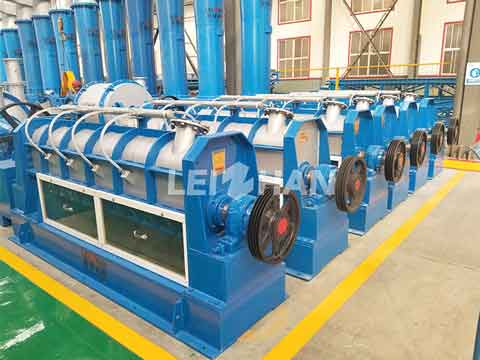
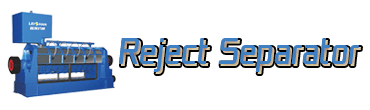
The reject separator processes the tailings discharged from fiber separators, or pressure screens. These tailings contain a high level of impurities; discarding them directly would result in the loss of usable fibers, while returning them to an earlier stage of the process would reintroduce impurities into the system. The function of the separator is to recover any salvageable fibers before the impurities are discarded.
Reject Separator Features
Recovery-oriented: Designed for tailings (rejects) treatment, the primary objective is to recover fibers before the rejects are discharged, achieving a recovery rate of 70%–80%.
Combined mechanism: Integrates centrifugal separation, defibering via rotor/stator elements, and washing/elutriation.
Gap sensitivity: The clearance between the rotor/stator elements and the screen plate is typically 0.5–1.5 mm; performance degrades if this gap exceeds 2.0 mm.
High-consistency reject discharge: While the feed consistency is 1%–5%, the rejects can reach a consistency of 12%–20%, reducing the burden on downstream processing.
Atmospheric, enclosed system: Positioned at the end of the tailings treatment stage, it features a compact layout and prevents the leakage of pulp or process water.
In a waste-paper pulping line, the reject separator functions much like a “final treatment” stage for rejects. Contact us for more details.
Email: leizhanpulper@gmail.com